Leave Your Message
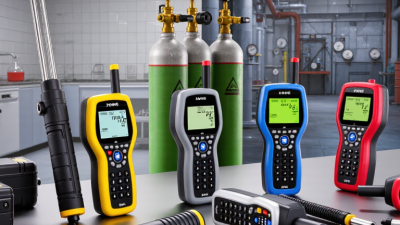
Picking out the right Gas Monitor in 2026 isn’t just about comparing prices or counting sensors. It’s more complicated than that. Global buyers are dealing with ever-changing workplaces, energy setups, and environmental risks that keep evolving. For example, portable detectors are great for protecting maintenance teams working in tight spaces, while fixed systems can keep a watchful eye around compressors, storage tanks, and labs nonstop. Wireless models sound like a no-brainer because they can cut down on installation time, but you still gotta watch out for battery life and whether the network will hold up—those are critical details to test beforehand.
Industry data really supports this trend. The International Energy Agency’s Global Methane Tracker 2025 points out some pretty big chances to reduce methane emissions across oil and gas sites. It also stresses how valuable better measurement tools and quick leak detection are. Likewise, MarketsandMarkets’ research predicts the gas detection market will keep growing, driven by safety needs, environmental concerns, and connected tech. Grand View Research echoes this, saying stricter workplace rules and more industrial activity are boosting demand. These reports are super helpful for direction, but it’s key to remember—they don’t tell you exactly what to buy.
When you’re making a choice, it’s smart to compare different technologies: single-gas vs. multi-gas detectors, portable versus fixed, wireless versus wired, infrared, catalytic, electrochemical, photoionization—you get the idea. Response time is especially important if you’re near a leaking valve. Visibility of alarms matters too, especially in noisy factories. Don’t forget about calibration intervals if the device is in a remote spot. And all the stuff like certification, ingress protection, operating temps, and data logging? Those are big factors affecting long-term costs. But honestly, accuracy alone isn’t enough. Real-life situations can be messier than lab tests.
This guide dives into the top types of Gas Monitors that global buyers should consider in 2026. It looks at their application, sensor tech, ease of maintenance, connectivity options, and overall costs. Keep in mind—no one-size-fits-all ranking exists. The smart move is to double-check your local requirements, support options from suppliers, and actual working conditions before making a final call.
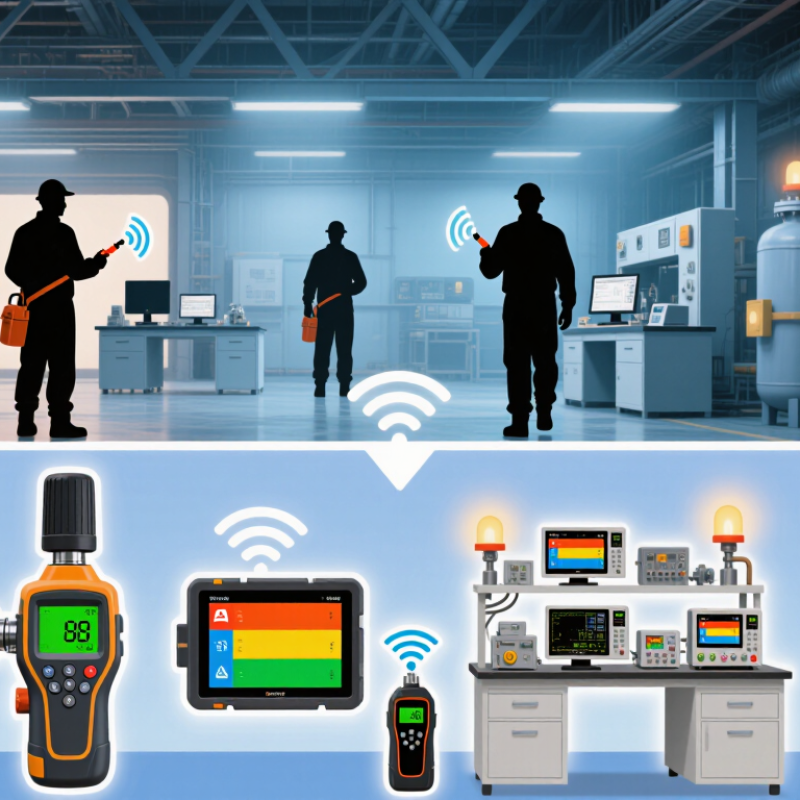
A gas monitor measures airborne hazards such as oxygen deficiency, combustible vapors, and toxic gases. In 2026, it matters because invisible exposure can develop before workers notice smell, irritation, or dizziness. A quiet reading is not always a safe reading.
The International Labour Organization reported about 2.93 million work-related deaths in 2019, with hazardous exposures contributing significantly to preventable harm. Gas monitors cannot solve every exposure problem, but they provide fast, local evidence. In a tank entry, a worker may see a green display, hear a rising alarm, and leave before conditions become critical. The MarketsandMarkets Gas Detection Equipment Market report projected growth from about USD 3.4 billion in 2023 to roughly USD 5.1 billion by 2028. This increase reflects wider adoption across manufacturing, utilities, construction, and confined-space work.
Accuracy depends on practice. Portable units need correct sensor selection, routine bump testing, calibration, battery checks, and documented maintenance. Fixed systems also require thoughtful placement near likely leak points, ventilation paths, and worker breathing zones. Cross-sensitivity can create confusing readings. Humidity and temperature can interfere.
A sensor is not a guarantee.
That assumption fails when staff ignore alarms, disable vibration alerts, or treat calibration as paperwork. Buyers should review detection ranges, alarm response time, ingress protection, data logging, and training support. Independent testing against recognized safety standards adds credibility, although no report replaces site-specific risk assessment.
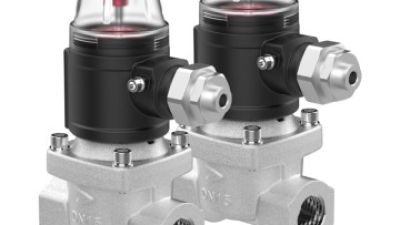
Industrial gas solenoid valve trends are increasingly shaped by the need for safer, more efficient, and more connected gas-control systems. Recent industry research emphasizes the growth of automated process equipment, stricter leak-prevention requirements, and demand for valves that can operate reliably under fluctuating pressure and temperature conditions. In this environment, the XF3III Series can be positioned as a practical solution for applications requiring rapid shutoff, stable flow control, and dependable performance in industrial gas lines. Its compact design concept also supports easier installation where space and maintenance access are limited.
Another important trend is the integration of monitoring and control functions into gas-handling equipment. Modern users increasingly value clear operating status, low power consumption, durable sealing materials, and compatibility with automated safety systems. The XF3III Series may support these expectations through a streamlined structure suited to repeated switching and centralized control. For manufacturers and system integrators, selecting a solenoid valve now involves more than basic on-off operation; factors such as response time, service life, installation flexibility, environmental resistance, and regulatory compliance are becoming equally important. These considerations make advanced valve series relevant to manufacturing facilities, energy infrastructure, laboratory systems, and other controlled industrial environments.
A gas monitor measures oxygen levels, combustible vapors, and toxic gases. It provides local evidence. A quiet display does not always mean safe air.
Dangerous exposure can develop before workers notice smells, irritation, or dizziness. A monitor may show rising danger earlier. That warning can support a safer exit.
Inspect the casing, battery, sensors, and alarm functions before entering. Perform a bump test according to site procedures. Confirm alarm thresholds before the shift starts. Small details matter.
No. A monitor only detects conditions. It does not remove contaminated air or control entry risks. Workers still need ventilation, procedures, training, and suitable protective equipment.
Match the sensors to the actual hazards. Consider detection range, alarm response time, battery life, and data logging. Audible, visual, and vibrating alarms help in dark or noisy areas. Simple is not always enough.
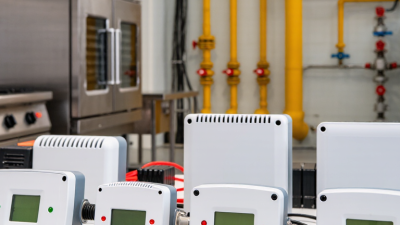
Placement should reflect gas density, airflow, leak sources, and breathing zones. A detector near a valve may respond quickly. Strong exhaust airflow may carry gas away from another detector. Floor-plan spacing alone can fail.
Schedule calibration, functional testing, sensor replacement, and wiring inspections. Record faults, test results, and replacement dates. Review repeated alarms instead of dismissing them. Paperwork alone is insufficient.
Humidity, temperature, dust, cleaning chemicals, and sensor aging can affect performance. Cross-sensitivity may create readings that need careful interpretation. A green screen can mislead me. Site conditions still require judgment.
A Gas Monitor is an essential safety and management tool in 2026, helping detect hazardous gases before they reach dangerous concentrations. By providing timely warnings, it supports worker protection, process control, emergency response, and environmental management across industries. Gas monitors can be classified by detection method, such as electrochemical, catalytic, infrared, photoionization, or semiconductor sensing, as well as by intended use, gas types, monitoring range, and operating environment.
Portable gas monitors are designed for personal protection, inspections, confined-space entry, and field operations, while fixed gas monitoring systems provide continuous surveillance in facilities, storage areas, laboratories, and other high-risk locations. Specialized solutions may focus on emissions, air quality, leak detection, or industrial process safety. When comparing products and suppliers, global buyers should evaluate sensor accuracy, response time, alarm functions, battery life, connectivity, durability, calibration requirements, certifications, after-sales support, and total ownership cost. The right choice should match both current safety needs and future site expansion.