Leave Your Message
Engineered to withstand the demanding humidity, chemical vapor loads, and hazardous atmospheres of Gulf Coast refineries and offshore platforms.
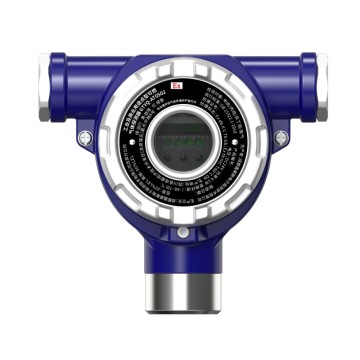
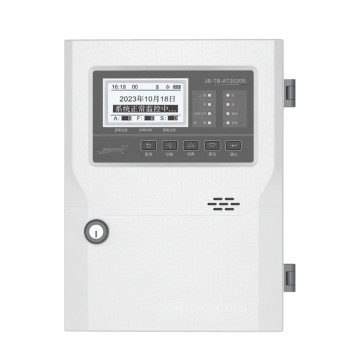
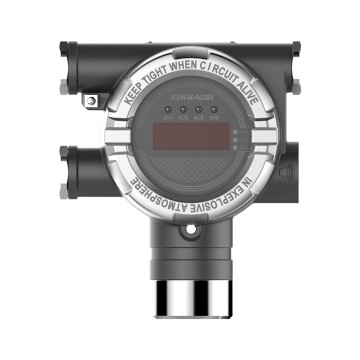
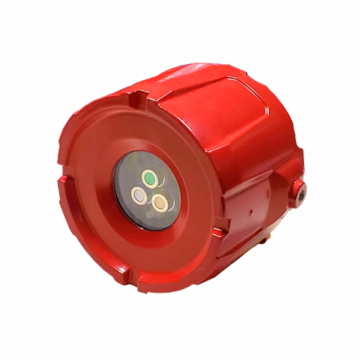
The Greater Houston metropolitan area—encompassing Harris, Galveston, Brazoria, Chambers, and Fort Bend counties—anchors the largest petrochemical manufacturing complex in the Western Hemisphere. Known globally as the Energy Capital of the World, Houston is home to more than 500 chemical manufacturing facilities, 10 major refinery complexes representing over 2.6 million barrels per day of crude distillation capacity, and the bustling 52-mile inland waterway of the Houston Ship Channel.
Within this dense industrial matrix, Hydrogen Sulfide (H₂S) represents one of the most immediate and lethal occupational hazards. Originating from sour crude processing, sulfur recovery units (SRU), amine treating units, wastewater processing, and subsea hydrocarbon extraction, H₂S gas is not only extremely toxic and flammable, but it also causes rapid olfactory fatigue at concentrations above 100 ppm, leaving workers unable to detect its presence without certified, real-time gas monitoring instrumentation.
Regulatory Compliance Alert for Houston Facilities: OSHA 29 CFR 1910.1000 sets the regulatory ceiling limit for H₂S at 20 ppm with a 50 ppm 10-minute maximum peak, while NIOSH establishes an Immediately Dangerous to Life or Health (IDLH) threshold of 100 ppm. Modern Houston engineering standards mandate factory-calibrated, SIL-certified fixed detectors with response times (T90) under 15 seconds to ensure zero lost-time incidents.
Heavy-duty NEMA 4X / IP66/67 enclosures designed specifically for Class I, Division 1 & 2, Groups B, C, D hazardous operating zones across Gulf Coast chemical plants.
Proprietary sensor drift compensation algorithms and baseline tracking counteract high Texas ambient humidity, sulfur deposition, and temperature swings.
Direct output via 4-20mA analog with HART, Modbus RS485, and wireless ISA100/WirelessHART protocols for effortless integration into plant distributed control rooms.
Delivering high-reliability safety instrumentation designed for the unique operational dynamics of Gulf Coast industries.
Houston serves as the principal gathering and fractionation endpoint for sour crude and natural gas liquids transport lines originating from the Permian Basin, Eagle Ford Shale, and Haynesville plays. Wellhead separators, pig launcher/receiver stations, compressor stations, and bulk storage tank farms in areas like Mont Belvieu require distributed H2S monitoring with fast-recovery electrochemical sensors to identify minor packing gland leaks before hazardous concentrations accumulate.
Our industrial-grade detector models feature integrated high-decibel audible strobes and fail-safe relay interlocks that automatically trip emergency isolation valves, safeguarding field technicians during routine pigging and sampling procedures.
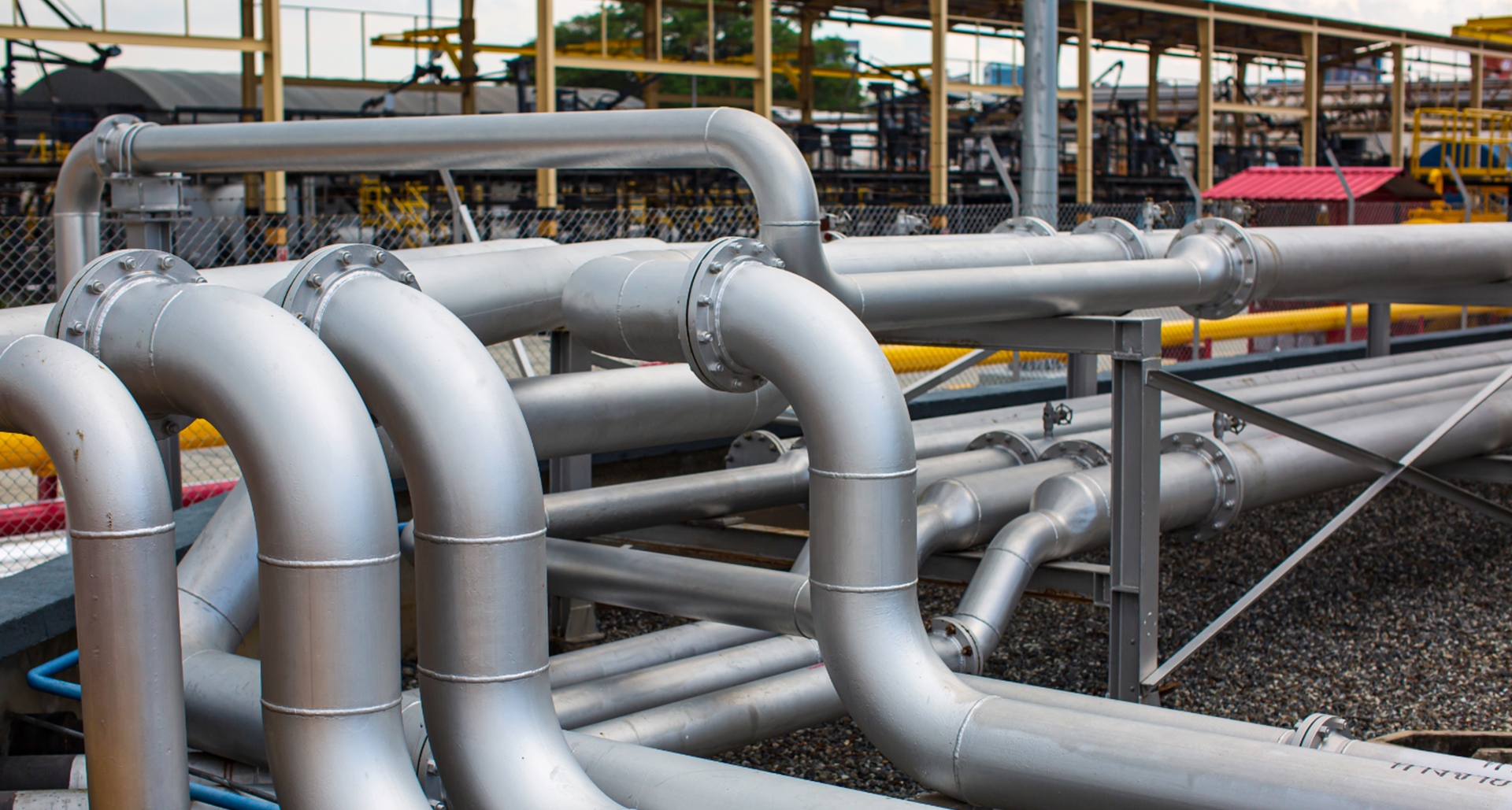
In refining centers across Baytown, Pasadena, Deer Park, and Texas City, Hydrodesulfurization (HDS) and amine regeneration units strip sulfur compounds from fuels, producing concentrated streams of acid gas containing up to 90% H2S. Detecting fugitive emissions in these high-consequence zones demands ruggedized, anti-poisoning sensing elements.
Our factory-direct H2S detectors integrate solid-state sensor technologies that remain stable in high-sulfur and high-moisture operating environments, preventing false trip shutdowns while ensuring compliance with Texas Commission on Environmental Quality (TCEQ) Title V air monitoring permits.
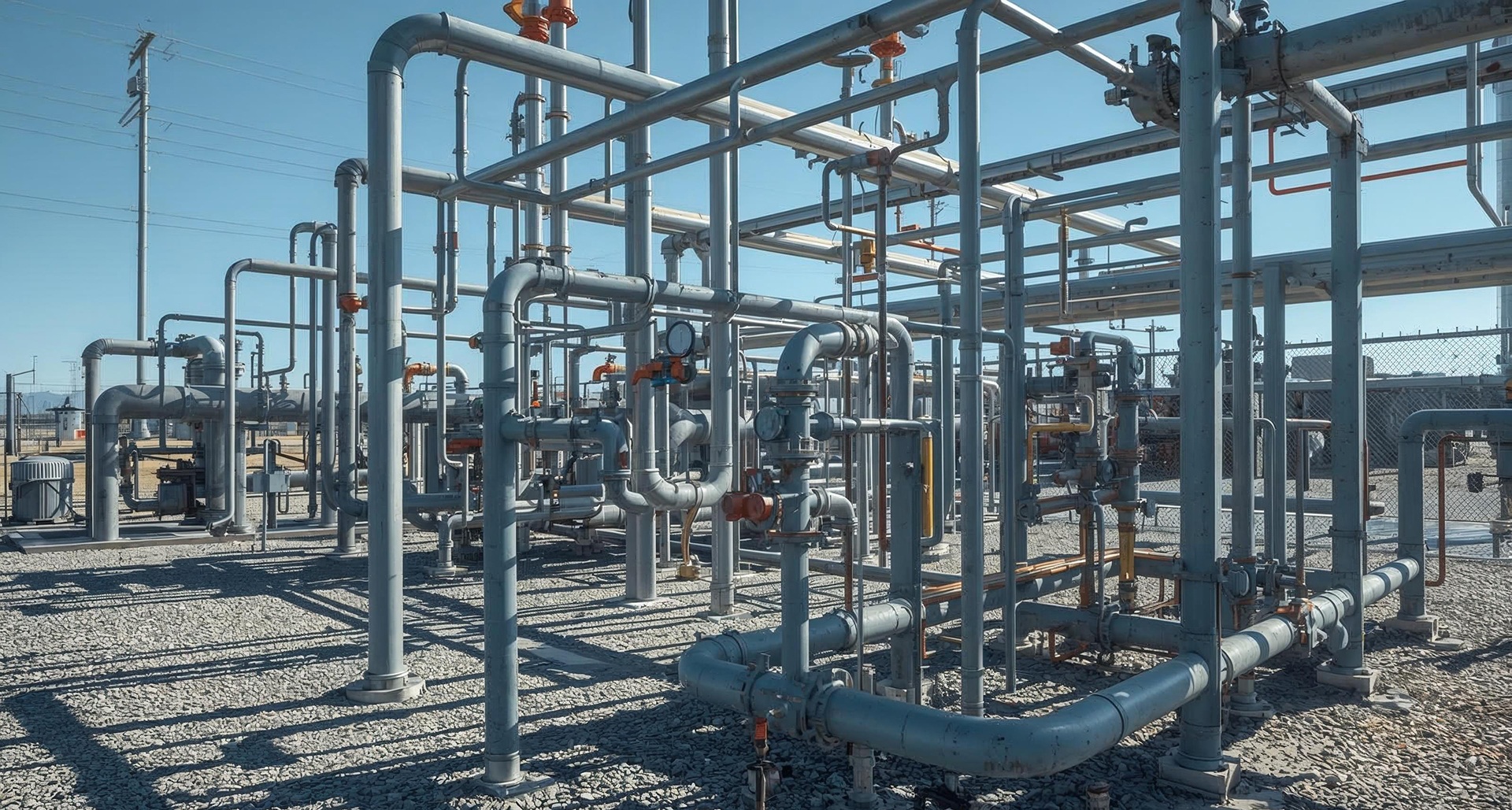
| Parameter | Industrial H2S Detector Specification | Houston Field Standard Compliance |
|---|---|---|
| Sensor Technology | Electrochemical / Smart Solid-State / NDIR Optical | ISA-92.00.01 / API RP 55 Compliant |
| Measurement Range | 0–20 ppm, 0–50 ppm, 0–100 ppm, 0–500 ppm H2S | OSHA PEL / NIOSH IDLH Alarm Mapping |
| Response Time (T90) | < 15 seconds (Electrochemical), < 3 seconds (Optical) | Fast-action emergency trip triggers |
| Hazardous Area Rating | Class I, Div 1 & 2, Groups B, C, D / Ex d IIC T6 Gb | NEC Article 500 / ATEX / IECEx Certified |
| Enclosure Protection | Cast Aluminum / 316 Stainless Steel (IP66/IP67, NEMA 4X) | High Salt Spray & Gulf Humidity Resistance |
| Signal Output & Comms | 4-20mA (3-wire), HART Protocol, RS485 Modbus, Relays | Direct integration to Honeywell, Emerson & Yokogawa DCS |
From industrial extraction points to commercial hubs, discover our full-chain safety architecture.

Precision sensing arrays safeguarding Houston chemical manufacturing lines and refinery perimeters.

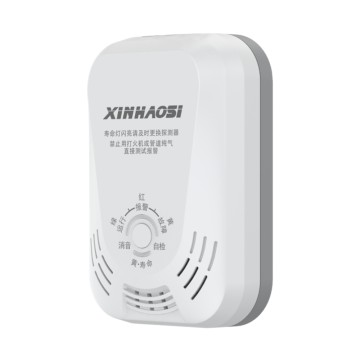
Reliable combustible and toxic gas alarms for commercial kitchens, multi-family housing, and labs.

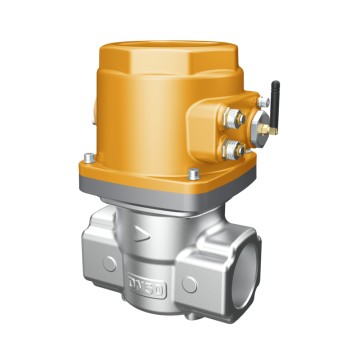
Instantaneous shutoff valves eliminating fuel flow upon gas leak detection, protecting from the source.

Smart city utility pipeline monitoring with cloud IoT integration for municipal gas distribution networks.
Founded in 2003, Xinhaosi is one of the most influential and reliable brands in the global gas safety industry. We provide customer-focused products and services to safeguard the safe operation of every factory, the comfort of every city, and the peace and happiness of every home.
Powered by cutting-edge production systems, automated cleanroom calibration cells, and deep sensor R&D, we deliver advanced, intuitive, and precise gas safety solutions for shaping a safer world. In serving the demanding Houston market, our manufacturing infrastructure adheres to rigorous ISO9001, ATEX, IECEx, and CE certifications, ensuring dependable performance in toxic H2S, flammable hydrocarbon, and severe industrial environments.
More About Us →

Empowered by technology, full-chain integration, and comprehensive protection, Xinhaosi delivers turnkey toxic and combustible gas management. From field-level explosion-proof H2S sensors and optical flame detectors to rack-mounted multi-channel controllers and automated emergency isolation valves, our modular ecosystem guarantees synchronized protection.
Whether modernizing a legacy crude distillation unit in Pasadena or deploying modular skid detection for offshore Gulf of Mexico production, our engineering team ensures direct hardware compatibility, standardized calibration regimens, and simplified maintenance workflows.
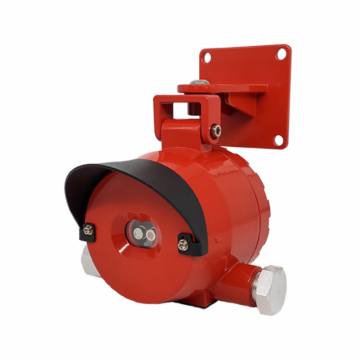
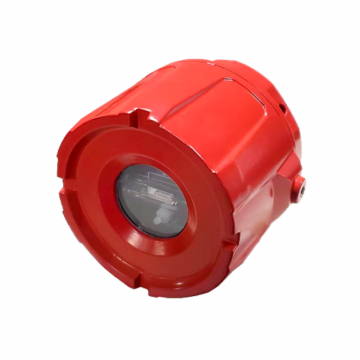
More About Solutions →Field instruments detecting H2S, LEL hydrocarbons, CO, O2 deficiency, and optical triple-IR flame phenomena.
JB-TB series centralized controllers with digital bus communications, relay matrices, and visual mimic boards.
Smart AI-actuated solenoid valves and audio-visual warning sirens executing instantaneous zero-delay plant isolation.
Stay tuned for the latest updates from Xinhaosi and the global energy safety industry.
The global gas detection industry is witnessing a surge of technological breakthroughs in early 2026, with leading players launching advanced solutions that integrate precision sensing, real-time connectivity, and multi-functional safety features to address evolving risks in high-hazard sectors like oil and gas, chemicals, and refining.
As Battery Energy Storage Systems (BESS) play an increasingly critical role in global renewable energy grids, the demand for specialized gas detection equipment tailored to BESS safety needs is surging—driven by risks like thermal runaway, which releases hazardous gases such as hydrogen (H₂), carbon monoxide (CO) and methane (CH₄).
China and international standard bodies have rolled out a suite of new national standards and technical regulations for gas detection equipment in 2026, marking a critical shift toward stricter safety oversight and pre-accident prevention across high-risk sectors like petrochemicals, catering, and municipal engineering.
Supplying world-class energy conglomerates, municipal authorities, and industrial leaders.
























Direct manufacturer supply of SIL-compliant explosion-proof toxic/flammable gas detectors, flame sensors, and intelligent safety shutoff valves.
Expert insights on regulatory compliance, sensor calibration frequency, and environmental mitigation.
High ambient relative humidity (often exceeding 85% in the Houston Ship Channel area) can cause water vapor condensation on sensor diffusion membranes, diluting electrolyte solutions in low-cost electrochemical cells. Xinhaosi industrial H2S detectors utilize hydrophobic, anti-fouling porous PTFE sintered filters and integrated temperature/humidity compensation logic, preventing baseline drift and maintaining stable zero-point readings.
In accordance with API RP 55 and standard industrial hygiene practices across Houston refining facilities, bump tests (functional verification with certified test gas) should be conducted monthly or prior to hazardous entry. Full span and zero calibrations are recommended every 90 to 180 days. Our detectors support non-intrusive magnetic wand calibration, enabling single-person calibration without declassifying the hazardous zone.
Hydrogen Sulfide has a relative vapor density of 1.19 (heavier than air at ambient temperature). Consequently, in static indoor environments, H2S tends to pool in low-lying areas, valve pits, and sumps. Detectors should generally be installed 30 to 45 cm (12 to 18 inches) above the floor or ground grade. However, in hot process units where thermal buoyant plumes occur, detectors must also be placed adjacent to high-risk leak points such as pump mechanical seals and flange joints.
For chemical and refining installations along the Gulf Coast, gas detectors must carry recognized explosion-proof certifications such as NEC/CEC Class I, Division 1 / Division 2, Groups B, C, D (or IECEx/ATEX Ex d IIC T6). For safety instrumented systems (SIS), SIL 2 or SIL 3 capable hardware ensures compliance with IEC 61511 life-safety architectures.