Leave Your Message
Engineered to international ATEX, IECEx, and ISO benchmarks, offering unmatched methane detection reliability across demanding industrial and urban deployments across Peru.
Addressing the surging demand for robust, certified methane (CH₄) sensing instruments across Peru's expanding energy, mining, and municipal grids.
The Peruvian energy paradigm is profoundly anchored by the Camisea natural gas deposits located in the Cusco region. Since the commercial exploitation of natural gas and natural gas liquids (NGL), Peru has systematically decentralized its energy dependence on crude oil. The extensive trans-Andean gas pipeline systems—navigating from the deep Amazon basin through rugged mountain passes reaching over 4,000 meters above sea level down to the coastal consumption hubs in Lima, Callao, and the LNG export facility at Pampa Melchorita—require the highest level of combustible gas safety monitoring.
Methane (CH₄) accounts for over 85% to 95% of processed natural gas streams. At every stage—wellhead compression, cryogenic fractionation, intermediate city-gate pressure reduction, and final pipeline distribution—uncontrolled fugitive emissions present explosive hazards and catastrophic operational interruptions. High-precision methane detectors built with catalytic combustion and Non-Dispersive Infrared (NDIR) sensing elements are indispensable for zero-blind-spot coverage across Peruvian infrastructure.
Peru stands as a top global producer of copper, zinc, silver, and gold. In large-scale polymetallic operations across Ancash, Arequipa, Moquegua, and Cajamarca, confined space entries, underground drift ventilation networks, and mineral processing smelters utilize heavy machinery and gas-fired boilers requiring rigorous flammable gas telemetry. The accumulation of methane from geological pockets or dual-fuel generator rooms represents an acute safety liability that demands fail-safe ATEX/IECEx certified detectors.
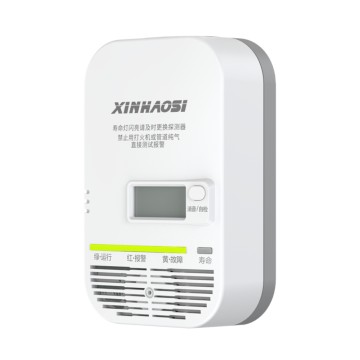
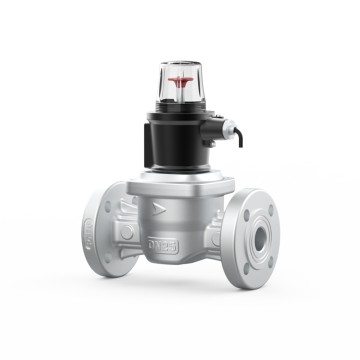
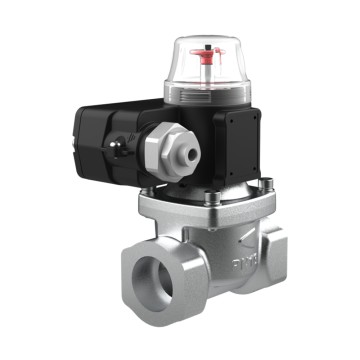
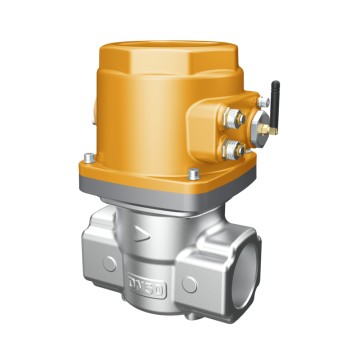
Simultaneously, metropolitan gas concessionaires such as Cálidda in Lima/Callao and Promigas in northern and southern Peru continue to expand residential and commercial piped natural gas networks. Tens of thousands of residential apartment complexes, commercial bakeries, industrial manufacturing plants, and compressed natural gas (VGN/GNV) refueling stations require integrated smart combustible gas alarms coupled with automatic emergency shut-off solenoid valves to guarantee absolute public safety.
Specially calibrated sensor matrices designed to maintain exceptional response time (T90 < 15s) and zero baseline stability despite thin atmospheric oxygen and barometric pressure drops up to 4,800m altitude.
Heavy-duty IP66/IP67 rated marine-grade cast aluminum and 316 stainless steel enclosures resistant to Pacific maritime salt mist in Callao and acidic mine ambient atmospheres.
Direct integration with standard Modbus RS485, 4-20mA analog loops, and wireless LoRaWAN/4G telemetry for seamless connectivity to centralized distributed control systems (DCS).
Comprehensive sensing architectures addressing toxic, combustible, and fire hazards in critical facilities.


Home Safety from Gas Monitoring

Protecting from the Source

Smart Sensing for Urban Gas


Founded in 2003, Xinhaosi is one of the most influential and reliable brands in gas safety industry. We provide customer-focused products and services to safeguard the safe operation of every factory, the comfort of every city, the peace and happiness of every home. Powered by cutting‑edge production systems and technology, we deliver more advanced, intuitive, and precise gas safety solutions for shaping a safer future world.
Delivering high-reliability methane monitoring tailored to the diverse geographic and climatic extremes of Peru.
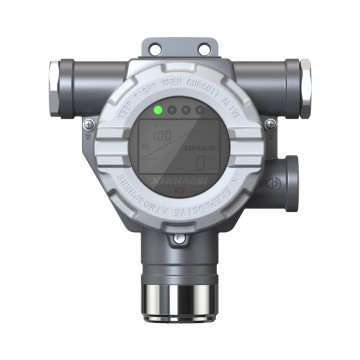
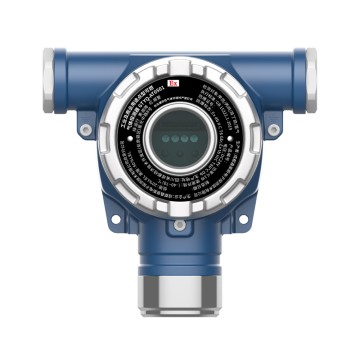
Along the Pacific coastline of Pisco and Callao, liquefaction trains, storage tanks, and high-pressure decompression stations face continuous exposure to high humidity, saline sea mist, and intense seismic activity. Our explosion-proof methane transmitters, rated Ex d IIC T6 Gb with stainless steel optical chambers, maintain pristine measurement accuracy without signal drift.
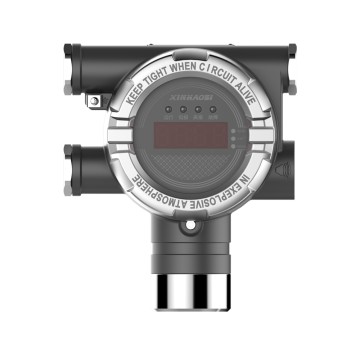
Mining complexes located at elevations exceeding 3,800 to 4,500 meters in Junín, Pasco, and Arequipa experience extreme diurnal temperature fluctuations and rarefied oxygen atmospheres. Our specialized multi-gas monitors (XP4000) and AT0601 series provide continuous, self-compensating combustible gas analysis in enclosed machinery tunnels and processing plants.
Peru's agricultural powerhouses in Ica, La Libertad, and Piura utilize large-scale anaerobic digestion systems for sugarcane bagasse, asparagus, and fruit processing wastes. These environments generate high-concentration methane mixed with corrosive hydrogen sulfide (H₂S). Our corrosion-resistant gas sensor nodes guarantee early warning against combustible gas accumulation and asphyxiation threats.
























January 20, 2026 – The global gas detection industry is witnessing a surge of technological breakthroughs in early 2026, with leading players launching advanced solutions that integrate precision sensing, real-time connectivity, and multi-functional safety features to address evolving risks in high-hazard sectors like oil and gas, chemicals, and refining.
As Battery Energy Storage Systems (BESS) play an increasingly critical role in global renewable energy grids, the demand for specialized gas detection equipment tailored to BESS safety needs is surging—driven by risks like thermal runaway, which releases hazardous gases such as hydrogen (H₂), carbon monoxide (CO) and methane (CH₄).
Jan. 22, 2026 – China has rolled out a suite of new national standards and technical regulations for gas detection equipment in 2026, marking a critical shift toward stricter safety oversight and pre-accident prevention across high-risk sectors like petrochemicals, catering, and municipal engineering.
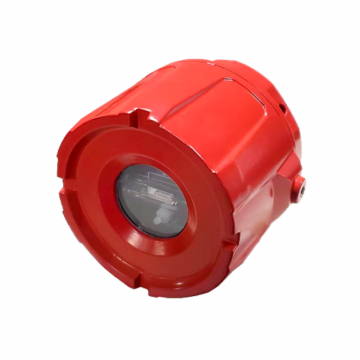
Explore our complete family of combustible gas detectors, toxic gas sensors, smart AI valves, and optical flame monitors certified for global and South American industrial markets.