

Building a Smarter Gas Safety Layout: Detector Placement, Alarm Logic and Response
Start with the actual risk point
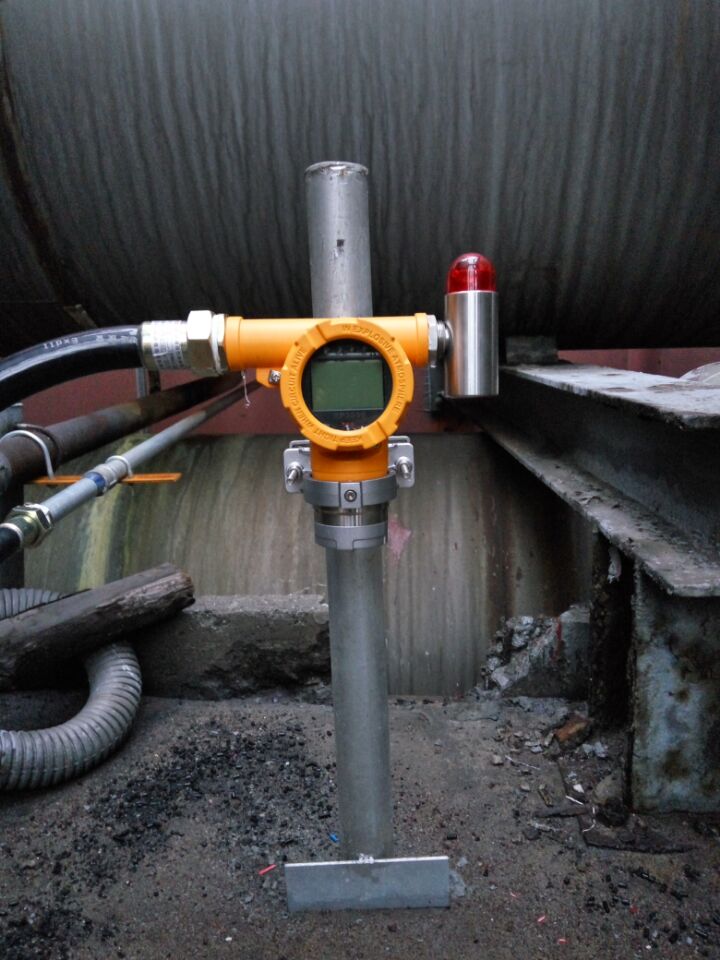
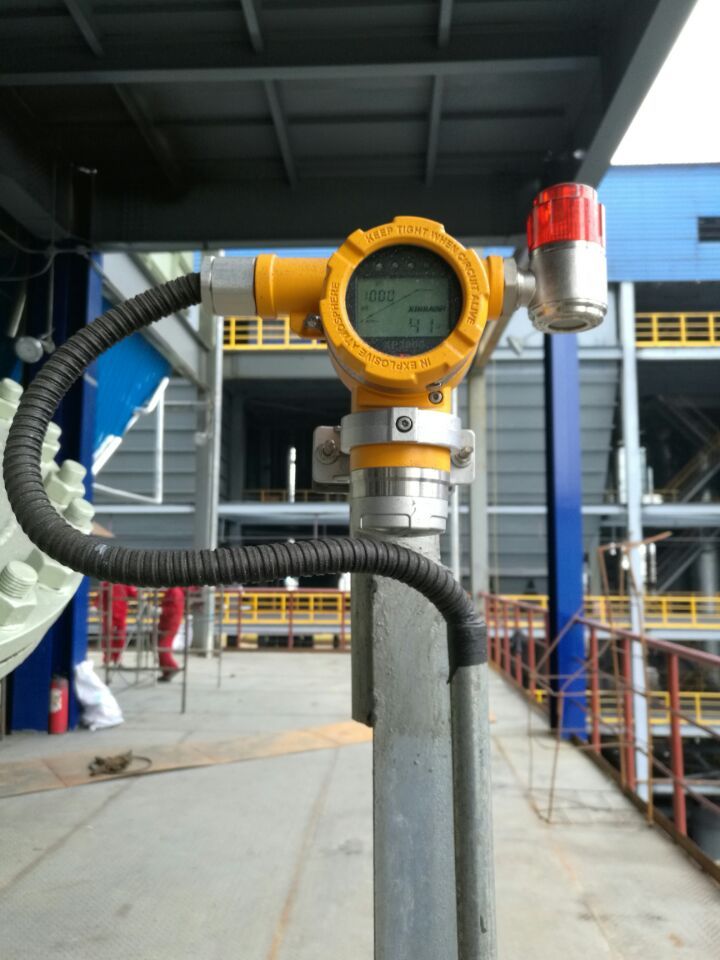
In many industrial facilities, gas hazards do not spread evenly across the site. They often appear first near practical risk points such as valves, flanges, regulators, pump areas, storage zones, loading points, burners, or enclosed process sections. That is why detector placement should follow the process and equipment layout rather than a simple “one detector per area” rule.
Buyers should first identify the target gas, the likely leakage source, ventilation conditions, and the operating habits of the site. A detector installed too far from the actual hazard point may delay warning time. A detector installed in a poorly considered position may also be affected by air flow, obstacles, or maintenance difficulties. In other words, placement is not only about coverage. It is also about access, reliability, and how the detector will perform in the real environment over time.
Gas type and site conditions matter
Different gases behave differently after release, so detector planning should always begin with the gas to be monitored. Combustible gases, toxic gases, oxygen-related risks, and VOC-related risks may require different sensing approaches and installation strategies. Site conditions also matter: open outdoor areas, semi-enclosed equipment zones, boiler rooms, gas regulator stations, chemical processing units, and commercial gas-use environments all have different airflow patterns and maintenance realities.
For this reason, experienced buyers usually review more than the detector model alone. They also check enclosure suitability, signal output options, controller compatibility, mounting convenience, and whether the planned location supports inspection and servicing. Good system design is rarely the result of one product decision. It is the result of matching the detector, the environment, and the response workflow.
Detection should connect to response
A fixed gas detector is most effective when it is part of a complete safety chain. In many projects, detectors are connected to a controller so alarm information can be centralized, reviewed, and linked to site actions. Depending on the application, that response may include audible and visual warning, relay output, shutdown linkage, or emergency gas shutoff through a compatible valve arrangement.
This system perspective is important for overseas buyers because procurement decisions often involve more than a single device. Integrators and distributors may need to confirm communication methods, channel capacity, multilingual documentation, wiring logic, and after-sales support before finalizing a package. A detector that fits the gas risk but does not fit the control architecture may create avoidable delays during installation and commissioning.
Common buyer questions before approval
Before approving a fixed gas detection layout, buyers usually ask a practical set of questions: What gas is being monitored? Where are the main leakage points? Is the detector location easy to inspect and maintain? How will alarm signals be displayed or transmitted? Does the site need detector-only protection, or a detector-controller-response solution? What documents are available for technical review, installation guidance, and project communication?
These are not minor details. They directly affect project execution, maintenance planning, and long-term trust between supplier and buyer. Clear pre-sales discussion can reduce redesign, improve installation efficiency, and support smoother cooperation across different markets.
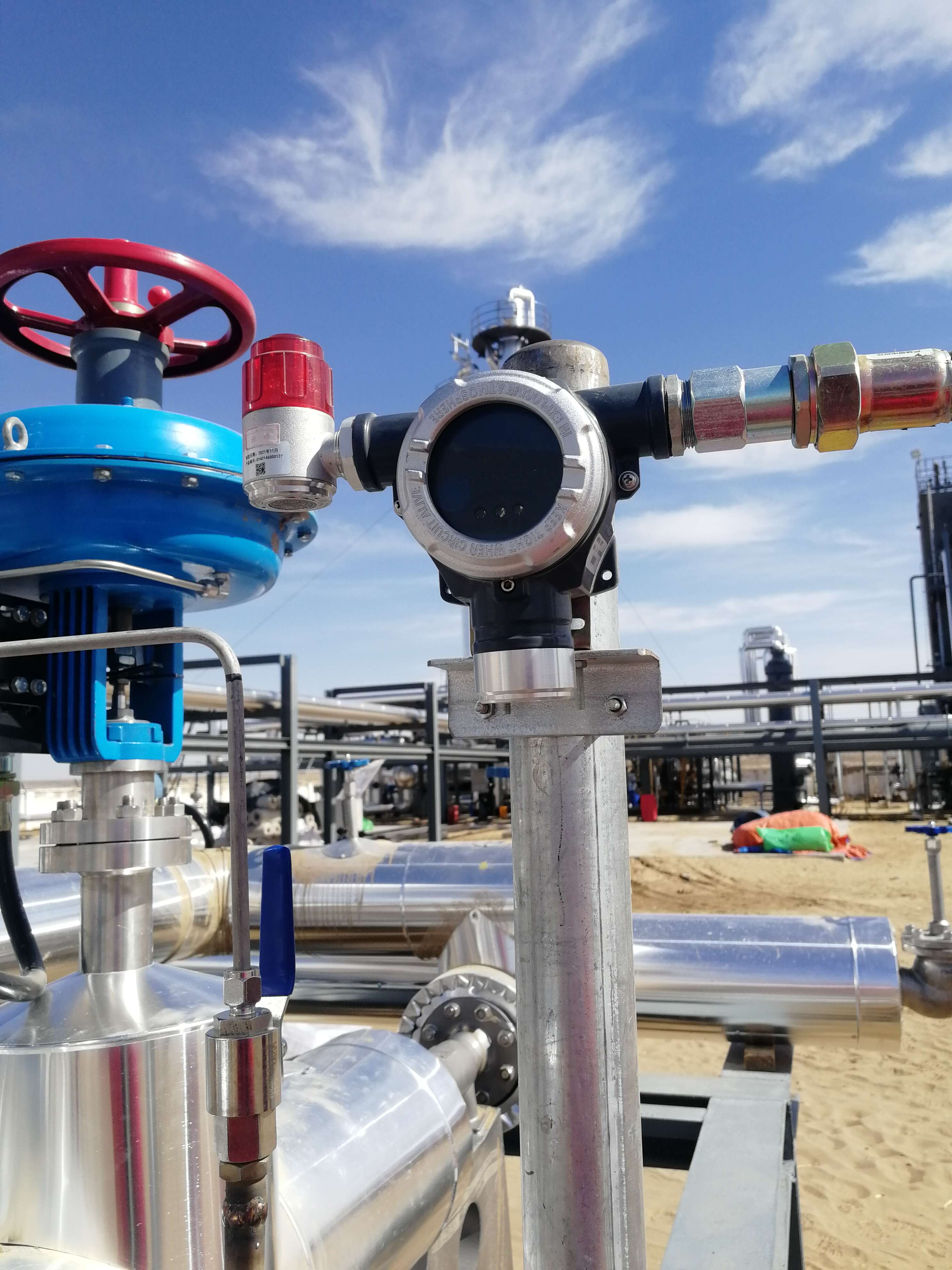
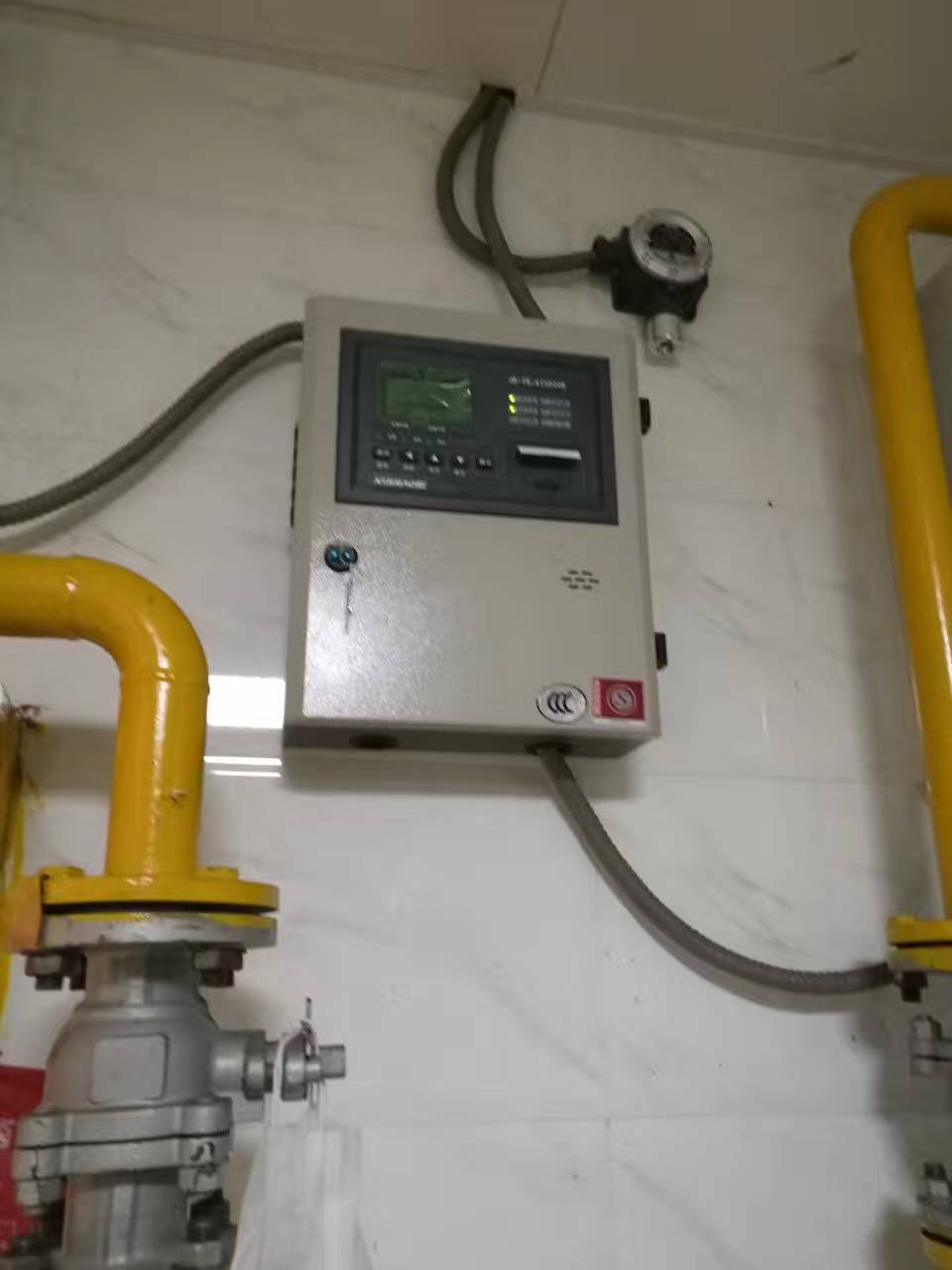
For industrial and commercial gas safety projects, fixed gas detection should be planned around real application conditions, not only product lists. Xinhaosi supports overseas partners with gas detection products, controller options, shutoff-related system discussion, and English technical communication for application review. If you are evaluating a gas detection project, contact Xinhaosi to discuss product selection and system planning for your target scenario.