

Gas Detection Industry Sees Wave of Innovations in 2026, Enhancing Workplace Safety Globally
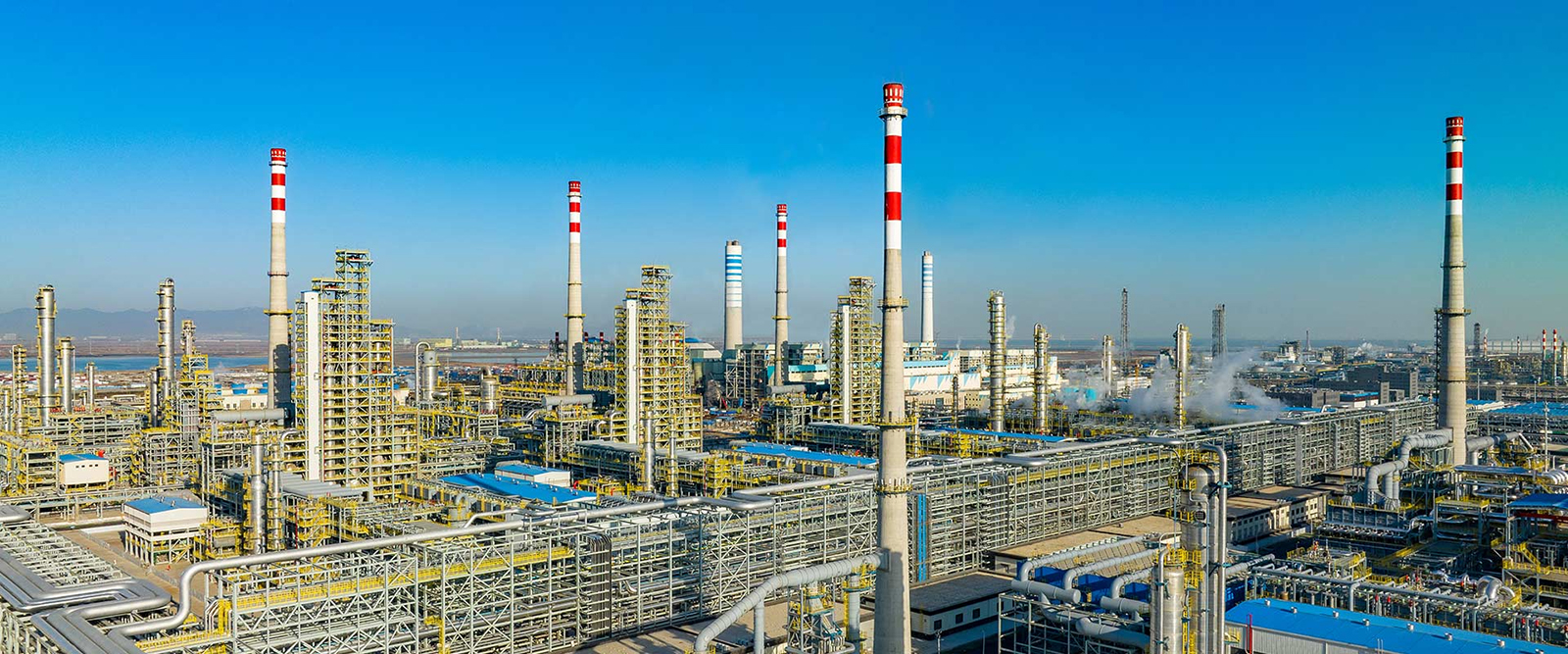
January 20, 2026 – The global gas detection industry is witnessing a surge of technological breakthroughs in early 2026, with leading players launching advanced solutions that integrate precision sensing, real-time connectivity, and multi-functional safety features to address evolving risks in high-hazard sectors like oil and gas, chemicals, and refining.
Industrial Scientific, a pioneer in safety workflows, expanded its Area Monitoring Portfolio with the new MPS™ LEL Sensor for the Radius® BZ1 monitor. Leveraging MEMS-based technology, the sensor detects over a dozen flammable gases (including hydrogen) with high accuracy, resists poisoning and saturation, and cuts power use to extend runtime—critical for open-air, high-risk environments. "This reinforces our commitment to versatile, reliable monitoring," said Andreas Schmid, Industrial Scientific's President.
Blackline Safety also made waves with its G8 connected gas detector, a rugged IP67-rated device that unifies advanced gas detection, lone worker protection, and radio-quality communication. Equipped with swappable cartridges for 20+ gases, dual-band GNSS/GPS, and real-time cloud streaming to Blackline Live, the G8 enables cross-site communication and fast emergency responses. "We're giving workers direct access to life-saving data," noted Blackline CEO Cody Slater.
Meanwhile, Honeywell strengthened local manufacturing in the UAE by launching a new assembly line at Masdar Innovation Centre for its RaeGuard 3 fixed detectors and BW Clip portable devices, aligning with the "Make it in the Emirates" campaign. These innovations collectively elevate safety standards, helping industries mitigate leaks, reduce downtime, and ensure workers return home safely.