CNAS Inquiry
Leave Your Message

Blog

7 Tips for Choosing a Gas Emergency Shut Off Valve?

7 Tips for Choosing a Gas Emergency Shut Off Valve?

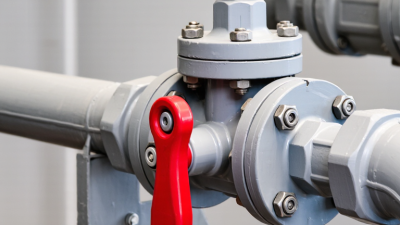
Picking a gas emergency shut-off valve isn’t something you can do from a product photo alone. You know? The right valve has to fit the gas type, pipe size, operating pressure, where it’s installed, and your emergency response plan. Get one of those wrong—even a little—and you can end up with a serious problem. In the field, we keep seeing the same issues: corrosion, poor access, and labels that aren’t clear. Any of those can hurt emergency readiness. The valve might work just fine, but if no one can reach it fast, what good is it? So check the handle position. Look at the connection threads. Make sure the reset process is obvious. Little details like that matter. John Drengenberg, former Consumer Safety Director at UL, had a simple but useful reminder: “Safety is not an accident.” That idea sits behind every recommendation in this guide. Look for documented performance, the right certification, durable materials, and clear manufacturer instructions. Companies like Emerson, Honeywell, and Watts offer technical documentation that can help buyers compare models responsibly. That said, don’t take product claims at face value. Marketing can sound a lot stronger than the evidence. A reliable Gas Shut Off Valve should let you isolate the gas quickly, without confusion. Some systems also need automatic thermal shutoff protection. Others are better with a manually operated design. The best choice really depends on the building, the appliance layout, and a local professional’s assessment. And don’t forget maintenance. Dust, paint, or anything that restricts movement can mess with the handle when you need it most. This guide gives you seven practical tips for choosing a gas emergency shut-off valve. It also faces an uncomfortable truth: even a great valve can’t replace regular inspections, realistic drills, and informed installation. Mistakes happen. Preparation just helps reduce the damage they cause.
Read more »
Ethan By:Ethan - October 10, 2026
What Is the Best Natural Gas Alarm for 2026?

What Is the Best Natural Gas Alarm for 2026?

So, picking the best Natural Gas Alarm for 2026? It's not just about price tags or star ratings. A reliable unit needs to catch methane fast, sound loud enough to wake you, and keep working through long quiet stretches. You also want installation instructions that make sense, status lights you can actually see, and a test button that doesn't leave you guessing. Little things matter here. After all, an alarm that stays silent when it matters isn't really an alarm. This guide looks at Natural Gas Alarm options using practical safety criteria: sensor response, power reliability, alarm volume, upkeep, and smart-home compatibility. Manufacturer specs are a useful starting point, sure. But independent testing and real user experiences often expose weak spots that product pages conveniently skip. Field techs tend to recommend placing alarms near likely leak sources, while still following the device instructions. They also keep reminding people to test regularly and replace on time. No alarm is perfect. False alarms happen. Battery models can be easier to install, while hardwired ones may run more steadily. Connected alarms can send phone alerts, but they rely on network access and correct setup. That trade-off deserves an honest look. And a higher price doesn't automatically mean better protection. This comparison is meant to find the strongest picks for different homes, budgets, and installation situations. It weighs performance, usability, reliability, and long-term peace of mind, so readers can choose a device that supports safer everyday living without giving them false reassurance.
Read more »
Sophie By:Sophie - October 8, 2026
2026 Top Gas Monitor Types for Global Buyers?

2026 Top Gas Monitor Types for Global Buyers?

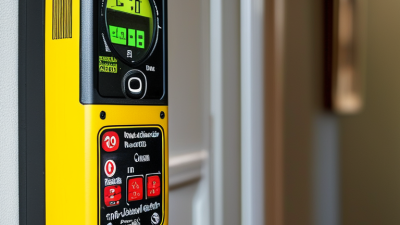
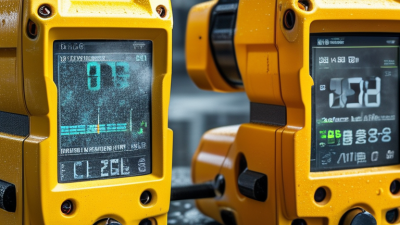
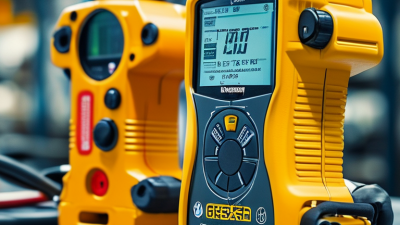
Picking out the right Gas Monitor in 2026 isn’t just about comparing prices or counting sensors. It’s more complicated than that. Global buyers are dealing with ever-changing workplaces, energy setups, and environmental risks that keep evolving. For example, portable detectors are great for protecting maintenance teams working in tight spaces, while fixed systems can keep a watchful eye around compressors, storage tanks, and labs nonstop. Wireless models sound like a no-brainer because they can cut down on installation time, but you still gotta watch out for battery life and whether the network will hold up—those are critical details to test beforehand. Industry data really supports this trend. The International Energy Agency’s Global Methane Tracker 2025 points out some pretty big chances to reduce methane emissions across oil and gas sites. It also stresses how valuable better measurement tools and quick leak detection are. Likewise, MarketsandMarkets’ research predicts the gas detection market will keep growing, driven by safety needs, environmental concerns, and connected tech. Grand View Research echoes this, saying stricter workplace rules and more industrial activity are boosting demand. These reports are super helpful for direction, but it’s key to remember—they don’t tell you exactly what to buy. When you’re making a choice, it’s smart to compare different technologies: single-gas vs. multi-gas detectors, portable versus fixed, wireless versus wired, infrared, catalytic, electrochemical, photoionization—you get the idea. Response time is especially important if you’re near a leaking valve. Visibility of alarms matters too, especially in noisy factories. Don’t forget about calibration intervals if the device is in a remote spot. And all the stuff like certification, ingress protection, operating temps, and data logging? Those are big factors affecting long-term costs. But honestly, accuracy alone isn’t enough. Real-life situations can be messier than lab tests. This guide dives into the top types of Gas Monitors that global buyers should consider in 2026. It looks at their application, sensor tech, ease of maintenance, connectivity options, and overall costs. Keep in mind—no one-size-fits-all ranking exists. The smart move is to double-check your local requirements, support options from suppliers, and actual working conditions before making a final call.
Read more »
Emily By:Emily - October 2, 2026
What Are the Best Leak Detectors in 2026?

What Are the Best Leak Detectors in 2026?

A burst water supply line can flood a whole cabinet before anyone even realizes it. Sometimes, a slow drip beneath the dishwasher might not be noticeable for weeks. When shopping for Leak Detectors in 2026, you’ll want more than just an alarm; the goal is to catch trouble early, understand what the alert means, and be able to react fast. But here’s the thing—no one device is perfectly suited for every home. Things like where you place the sensors, how they connect, battery life, and automatic shutoff features all play big roles. The U.S. Environmental Protection Agency’s WaterSense program estimates that household leaks waste nearly 1 trillion gallons of water every year across the country. On top of that, the Insurance Information Institute points out that water damage and freezing issues make up a big chunk of homeowners’ insurance claims. That’s why paying attention to leak detection is so important—though it’s worth mentioning, no single product can absolutely prevent all damage. This guide takes a look at different types of detectors, their practical features, installation needs, and separates honest info from sales pitches. Plumbing expert Richard Trethewey, who’s well-known from his work on This Old House, is a reliable voice when it comes to household plumbing. However, I don’t have an official quote from him here, so I can’t just make something up—that’s really important. Providing a fake quote wouldn’t do justice to this guide, which aims to help you make smart choices. Instead, we’ll base our discussion on real-world scenarios: a sensor sitting by the water heater, an alert that can be heard throughout the house, and a shutoff valve that actually works when you need it. There are definitely trade-offs—connecting devices might be super convenient, but setting them up and making sure they reliably connect can be tricky.” ,
Read more »
Emily By:Emily - September 27, 2026
China Best Natural Gas Detector Suppliers for Global Buyers

China Best Natural Gas Detector Suppliers for Global Buyers

When you're trying to find a reliable Natural Gas Detector supplier in China, it’s about more than just comparing prices online. For folks buying from around the world, what really matters is that the products work consistently—not just in one place, but across kitchens, boiler rooms, factories, and pipeline setups. I’ve put together a simple guide to help international buyers evaluate suppliers more practically. It’s important to look into how sensitive the detectors are, how quickly they respond, the volume of their alarms, sensor lifespan, and what kind of power options they have. Don’t forget to check if they can detect methane and propane—the key gases, right? A good product should come with clear technical specs and consistent test results. Always ask for calibration records, samples, and details about the factory’s quality procedures. And make sure any certifications like CE, UKCA, FCC, or other approvals are actually valid and specific for your target market—those copied certificates can be a real red flag. Experience counts when it comes to real-world installations. Stick with well-established manufacturers who can explain things like sensor replacement, firmware updates, packaging, and after-sales support. Don’t hesitate to ask how they handle tricky situations like unstable voltage, high humidity, dust, or temperature swings—that stuff often shows how much practical engineering they truly know. Doing a factory audit is a smart move to verify their equipment and inspection routines. Sure, videos help, but nothing beats seeing the actual setup in person. Look, no supplier is perfect. Some might give you a great price but may not offer much technical support. Others might have super-advanced models but could take longer to deliver. This guide aims to help you weigh these factors without losing sight of what’s most important—finding a partner you can trust. Usually, Chinese manufacturers can support OEM projects, private labeling, and bulk deals, but always verify independently. Product quality can vary from batch to batch, so make sure to test samples thoroughly before locking in big orders. Remember, this isn’t about hunting for the cheapest detector. It's about picking a dependable partner with clear info, quick communication, and products that actually keep your gas monitoring safe and legal in the end. Ultimately, investing a bit of time in careful assessment now could save you big headaches later—trust me, it’s worth it.
Read more »
Sophie By:Sophie - September 23, 2026
2026 Best Gas Leak Detectors for Global Buyers

2026 Best Gas Leak Detectors for Global Buyers

When you're shopping for a Gas Leak Detector in 2026, it’s not just about stacking up prices, sensor ranges, or alarm volumes. Honestly, folks out there all over the world need equipment they can trust—whether it's in kitchens, labs, factories, refineries, or even temporary work sites. Different gases like methane, propane, hydrogen, carbon monoxide, and other volatile organic compounds each require their own special sensing methods. So, what works like a charm in one place might totally fall flat in another. Little things matter — like how long it takes for the sensor to warm up, how long the batteries last, how easy it is to see the display, whether it’s protected from dust and water, how straightforward calibration is, and how quickly it sounds an alarm. Trevor Kletz, a well-known expert in industrial safety, once said, “If you think safety is expensive, try ignorance.” It really hits home when picking out gas detectors. Sure, a cheap gadget might seem like a good deal upfront, but if it misses alarms, is hard to calibrate, or has sensors that break easy, you’re actually taking bigger risks. That’s why it’s smart to dig into the technical details, check out independent tests, see what kind of support the manufacturer offers, and find out about spare parts availability. Big names like Honeywell, MSA Safety, Dräger, RKI Instruments, and Crowcon each have their own ways of doing things for professional users. But honestly, just sticking to a trusted brand isn’t enough — you’ve gotta make sure it’s the right fit for your specific needs. This guide looks at some of the top models for 2026, perfect for global purchasing teams. We’re talking about how portable they are, their detection limits, how quick they respond, connectivity options, how easy calibration is, and how tough they are in the field. It’s also important to double-check local certification requirements—don’t overlook that. No device is perfect, not even the most advanced model. Sometimes, a detector can fail just because it’s in the wrong spot, ignored, or overdue for maintenance. That’s a tricky truth, but it’s worth paying attention to. The best choice isn’t just about fancy features — it’s about reliable hardware, well-trained users, clear procedures, and testing everything out in real conditions to make sure it works when it really matters.
Read more »
Emily By:Emily - September 18, 2026
How to Choose the Best Home CO Detector for Global Buyers?

How to Choose the Best Home CO Detector for Global Buyers?

Picking out the best Home Co Detector for folks around the world isn’t just about comparing prices or star ratings. Honestly, carbon monoxide is sneaky stuff — invisible, odorless, and potentially deadly. So, a good detector needs to give you clear alerts, keep sensing reliably, and be easy to maintain. Plus, it should fit your home's room setup, climate, electrical system, and even the language you speak. John Drengenberg, who used to be the Consumer Safety Director at UL Solutions, once said, “The best way to keep your family safe from CO poisoning is to install CO alarms in your home.” That really hits home, right? It’s all about proper placement and making sure you test your alarm regularly. When shopping, look into the sensor technology — electrochemical sensors are common — as well as how loud the alarm is, whether it gives digital readings, battery life, the presence of test buttons, and alerts that warn you when the device is about to expire. If your detector is near a sleeping area, it should be loud enough to wake everyone up, even if the door is closed. And, by the way, the display should be easy to read, even in dim hallway lighting. Now, shopping across the globe adds a whole extra layer of complexity. Certifications, plug styles, how they handle replacements, and installation instructions can vary a lot depending on where you’re buying from. So, it’s really important to check the manufacturer’s info carefully. Don’t just assume that imported models meet your local standards. Connectivity features, like smartphone alerts, are cool — but they shouldn’t replace a loud, local alarm that you can hear clearly in your home. Honestly, paying less might seem tempting, but unclear instructions or shoddy build quality can lead to dangerous situations. Even trusted brands need to be tested regularly. Every home layout is different, and no guide can cover every scenario perfectly. That’s why, when choosing a detector, I focus on solid evidence, how user-friendly it is, verified specs, and real-world reviews. The best Home Co Detector isn’t just the one with all the latest tech — it’s the one your family can install easily, hear quickly, test regularly, and replace without hassle.
Read more »
Emily By:Emily - September 13, 2026
What Are the 2026 Top Gas Detection Sensors?

What Are the 2026 Top Gas Detection Sensors?

So, have you ever wondered what the top gas detection sensors for 2026 are? Honestly, it’s a pretty important question, 'cause in this line of work, one tiny leak nobody notices can totally mess up an entire shift. Imagine working at a refinery—sometimes, your portable monitor might vibrate just before you catch a whiff of sharp chemicals, and it’s not always obvious right away. Or at a wastewater treatment plant, a fixed detector has to tough it out through humidity, dust, and constant calibration without breaking a sweat. That’s why choosing gas detection sensors isn’t just about the brand; it’s about how well they sense gases, how quickly they respond, whether they get tangled up with other chemicals, and how easy they are to maintain in the actual process environment. Market trends show these technologies are still on the rise. According to MarketsandMarkets, the market for gas detection gear could grow from around 4.9 billion USD in 2023 to nearly 7 billion USD by 2028. And yeah, other reports like Grand View Research also predict solid growth through 2030, but there are some differences in how they define the market. That’s actually pretty normal—forecasts give us a good idea of where things are headed, but nothing’s set in stone. It’s also worth remembering that, globally, work-related fatalities are still alarmingly high—around 2.93 million deaths in 2019, according to the International Labour Organization. That’s why reliable detection and strict safety routines are so critical. Looking ahead to 2026, we’ll probably see certain top-notch tech come into focus. Think electrochemical sensors for toxic gases, catalytic bead sensors for combustible stuff, infrared sensors for hydrocarbons, and photoionization detectors for volatile organic compounds. Big names like Honeywell, Dräger, MSA Safety, Industrial Scientific, and Teledyne Gas and Flame Detection will definitely stay in the mix, but no single brand has the perfect solution for every site. A sensor that rocks in a clean lab might not hold up next to a noisy compressor or a giant chemical tank. Things like calibration records, alarm testing routines, ingress protection, and making sure they follow IEC 60079 standards are just as important as the sensors themselves. Honestly, no single shortlist can cover all bases. The real deal is choosing based on real-world exposure, proper worker training, and honest feedback from maintenance logs—those are what matter most in the end.
Read more »
Emily By:Emily - September 8, 2026
2026 Best Solenoid Valves for Global Buyers Guide?

2026 Best Solenoid Valves for Global Buyers Guide?

In today’s fast-moving world of industrial automation, solenoid valves are pretty much the unsung heroes when it comes to controlling fluid flow. These tiny but mighty components are used everywhere — from manufacturing lines to HVAC systems. But here’s the thing: for buyers all around the globe, figuring out which solenoid valve is the right fit can honestly feel a bit overwhelming. You really need to understand the different types and specs out there. Some big names like ASCO and Parker offer a wide range, but not all products are equal. It’s super important to take a step back and think about your specific needs — reliability, response times, pressure ratings, all that jazz. And just because a supplier has a pretty extensive catalog doesn’t mean they’re necessarily consistent in quality. You gotta do your homework. When shopping for solenoid valves, don’t just focus on price. Keep an eye on things like how quickly they respond and whether they handle the pressure your application needs. It’s best to go with trusted brands that have good technical support and detailed documentation — saves you headaches in the long run. Sometimes, those cheaper options might seem tempting, but they could end up costing you more later if they break or fail. So yeah, a bit of research and chatting with industry pros can really pay off. The right pick can boost your operation’s efficiency and safety, but the wrong one? It could lead to unexpected downtime — nobody wants that!
Read more »
Ethan By:Ethan - September 4, 2026
Xinhaosi Electronic Detection
Online inquiry channel
XHS

Hello, welcome to Xinhaosi, your trusted manufacturer for all gas safety needs.

Start WhatsApp Chat